July 27, 2026
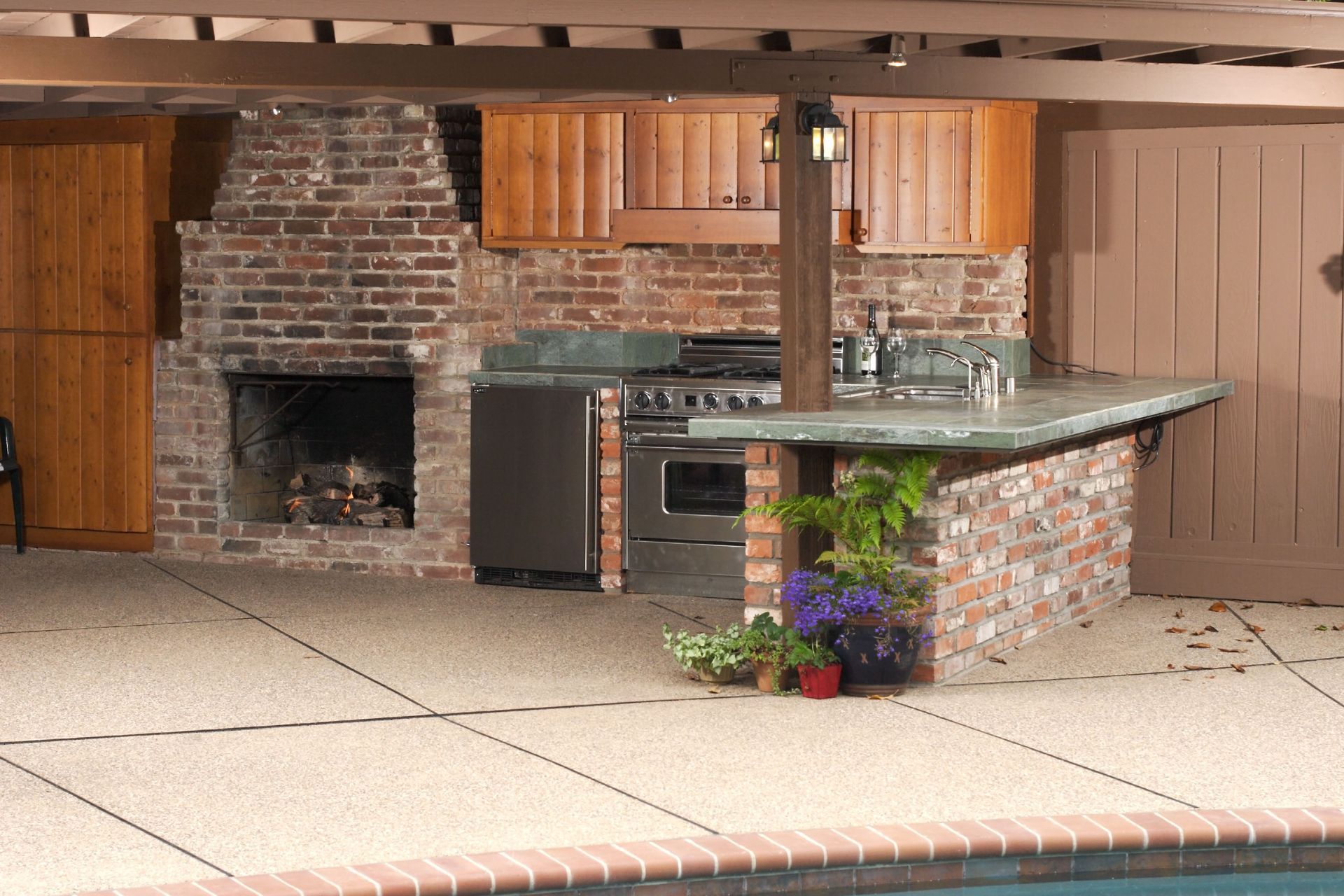
Backyard hearths provide remarkable ambiance for property owners. These structures serve as magnificent focal points for exterior living spaces. Maintaining such architectural features demands consistent attention. Neglecting routine upkeep leads to hazardous conditions and diminished aesthetic appeal. Homeowners must prioritize the cleanliness of their outdoor fireplaces to ensure a safe environment. Proper maintenance guarantees long-lasting enjoyment and structural stability.
Basic ash removal falls within standard household chores. Sweeping out the firebox remains a simple task for most individuals. Yet, certain maintenance scenarios require specialized knowledge. Recognizing the boundary between simple chores and complex interventions is crucial. Unforeseen complications arise during routine inspections. When structural or chemical problems emerge, relying on trained technicians becomes necessary. Experts possess the equipment needed to service outdoor fireplaces without causing incidental damage.
Recognizing Heavy Creosote Accumulation
Wood combustion produces chemical byproducts. As smoke rises through the flue, it cools and condenses. This process creates creosote along the interior walls. Creosote appears as a dark, sticky substance or a hardened glaze. This combustible material poses a severe fire hazard to the entire structure. Ignoring this residue increases the risk of a dangerous chimney fire. Regular visual inspections help identify thick accumulations before a disaster strikes.
Monitoring soot and ash levels is a fundamental part of hearth ownership. A thin layer of ash aids in building a fire, but excess buildup causes problems. According to Today, your fireplace should be cleaned when there's 1/8th of an inch of ash or soot accumulating on the bottom. This specific measurement serves as an excellent benchmark for routine cleaning. For heavy creosote, homeowners must seek outside help. Evaluating the soot levels in outdoor fireplaces dictates the maintenance schedule.
While loose ash is manageable, hardened creosote requires aggressive removal methods. This glazed substance clings to masonry or metal liners. Scraping this glaze without proper tools leads to permanent gouges in the chimney interior. Amateurs lack the industrial-strength brushes necessary for a thorough sweep. Using incorrect equipment compromises the integrity of the flue. Professional sweeps understand how to eradicate this stubborn material without inflicting structural harm.
Experts utilize specialized chemical treatments to break down thick creosote. These solvents dissolve the hardened glaze into a manageable powder. Technicians then employ heavy-duty vacuums to extract the resulting debris. Calling a chimney sweep mitigates the dangers associated with flammable buildup. Their comprehensive service restores the system to pristine condition. Property owners achieve peace of mind knowing the fire risk has been eliminated by capable hands.
Spotting Structural Masonry Damage
Brick and stone components endure relentless exposure to the elements. Sun, rain, and snow degrade exterior surfaces over time. Mortar joints prove vulnerable to harsh weather conditions. As the mortar deteriorates, gaps begin to form between the bricks. These crevices weaken the overall stability of the structure. Ignoring minor cracks allows the damage to spread throughout the hearth. Early detection prevents catastrophic collapse and expensive rebuilding projects.
Moisture infiltration acts as a destructive force on masonry. Rainwater seeps into small cracks in the mortar or porous stones. During freezing weather, this trapped water expands. The expansion causes bricks to spall, meaning the surface flakes away. Repeated freezing and thawing cycles crumble the solid material. This continuous degradation hollows out the mortar joints. Without intervention, the entire structure begins to lean or bow under its weight.
Superficial wear might appear harmless to an untrained eye. However, deep fissures indicate severe underlying issues. Water damage compromises the safety of many outdoor fireplaces. Attempting to patch these holes with standard caulk provides no structural benefit. The heat from the fire melts inappropriate patching materials. Deteriorating brickwork demands attention from a skilled mason. These artisans possess the knowledge to evaluate the true extent of the decay.
Masons perform a technique called tuckpointing to repair damaged mortar. They grind out the old mortar and insert fresh material. A professional matches the new mortar to the original color and composition. This seamless integration restores strength and beauty to the hearth. Amateur masonry repair results in messy, weak joints. Hiring a masonry expert guarantees a durable restoration that withstands future weather conditions.
Experiencing Poor Smoke Ventilation
A functional hearth directs all smoke up through the chimney. The design relies on thermal dynamics to create a strong updraft. When drafting problems occur, smoke billows out of the firebox and into the seating area. This choking cloud ruins the atmosphere of exterior gatherings. Guests face stinging eyes and respiratory irritation. Inadequate drafting points to internal blockages or mechanical failures. Resolving these ventilation issues is paramount for comfort.
Physical obstructions inside the flue restrict necessary airflow. Debris like leaves and twigs falls into uncovered chimneys. Birds and raccoons build nests inside the warm, sheltered pipe. These blockages prevent combustion gases from escaping the firebox. A clogged flue forces toxic fumes backward into the living space. Removing these obstructions is difficult due to the narrow confines of the chimney. Specialized equipment is essential for a thorough clearing.
A malfunctioning damper also restricts smoke ventilation. The damper consists of metal plates designed to open and close the flue. Exposure to moisture causes these metal parts to rust. A stuck damper traps smoke inside the system. Forcing the mechanism open risks snapping the rusted metal. Replacing or repairing a damper requires mechanical expertise. Technicians possess the skills to restore full functionality to the venting system.
Chimney specialists employ high-definition inspection cameras to diagnose drafting failures. They snake these cameras deep into the flue to locate hidden blockages. After spotting the debris, technicians extract the material using long-reach poles and brushes. They also install protective caps to prevent future animal intrusions. Calling a professional ensures a clear, unobstructed path for smoke. Their service guarantees a comfortable, smoke-free environment for property owners and their guests.
Encountering Persistent Foul Odors
Unpleasant smells emanating from a hearth signal severe contamination. A healthy system emits a faint, pleasant scent of charred wood. Sour, musty, or rotting odors indicate a hidden problem. These foul scents ruin the enjoyment of outdoor fireplaces. The smell intensifies during damp weather or high humidity. Spraying air fresheners masks the issue. Identifying and eliminating the root cause requires thorough investigation.
A musty stench points to a mixture of water and creosote. When rain enters a neglected chimney, it saturates the soot. This wet ash produces a pungent, acrid smell. A missing or damaged chimney crown allows this moisture to pour inside. Rebuilding the crown or installing a heavy-duty cap stops the water intrusion. Chimney sweeps implement these preventative measures to stop the foul stench.
The smell of decay presents a distressing problem. Small animals fall down the flue and perish. Their decomposing remains generate a horrific odor and create a severe biological hazard. Removing biological waste involves handling dangerous bacteria and parasites. Property owners must avoid contact with these hazardous materials. Extracting animal remains is a delicate task meant for trained professionals.
Specialists utilize industrial vacuums equipped with HEPA filters to extract hazardous waste. They remove saturated ash and biological matter without spreading contaminants. Technicians apply potent deodorizing agents to neutralize lingering smells inside the flue. Their comprehensive cleaning process eradicates the source of the stench. Calling an expert restores the pleasant, inviting atmosphere of the patio area. Property owners avoid immense disgust and health risks by securing professional help.
Maintaining a safe and functional backyard hearth requires ongoing diligence. Routine visual checks help property owners spot minor problems before escalation occurs. Recognizing the limitations of amateur maintenance prevents catastrophic damage to outdoor fireplaces. While sweeping loose ash remains a homeowner's duty, tackling heavy creosote or structural decay demands expertise. Discerning the boundary between simple chores and complex restoration projects saves time, money, and frustration. When you are ready to leave the heavy maintenance to professionals, contact us at Best Clean Fireplace Shoppe. We have the proper equipment to restore your outdoor fireplaces to a pristine and safe condition.